
TL;DR

Get health and wellness essentials delivered free with Prime
- Fast, free delivery on millions of items
- Prime Video, Amazon Music and more included
- Member-only deals all year
A Sixty and Me report says some factors associated with biological aging may be influenced by daily habits, even though genetics and chronological age cannot be changed. It recommends regular movement, adequate sleep, minimally processed foods, social connection and a sense of purpose, while the strength of evidence varies across the factors discussed.
A Sixty and Me report on aging after 60 highlights regular movement, sleep, diet and social connection as everyday factors people may be able to influence. The article distinguishes chronological age from biological measures of health, but it does not report a new study or show that any one habit can reverse aging.
The report describes chronological age as the number of years a person has lived and biological age as a way of describing how the body is functioning. It says genetics play a role, while some lifestyle and environmental factors may also shape health over time. The material attributes to Harvard Medical School genetics professor David Sinclair an estimate that genes may account for up to half of the rate at which people age; it does not provide the underlying study or explain how that estimate was calculated.
Among familiar risk factors, the article names smoking, excess sun exposure, chronic stress, poor sleep, inactivity and excess weight. It also discusses anxiety about aging, isolation, air pollution, frequent alcohol use, disrupted sleep schedules and gut bacteria. These factors are presented as possible influences or associations, not as a guarantee that an individual will age faster.
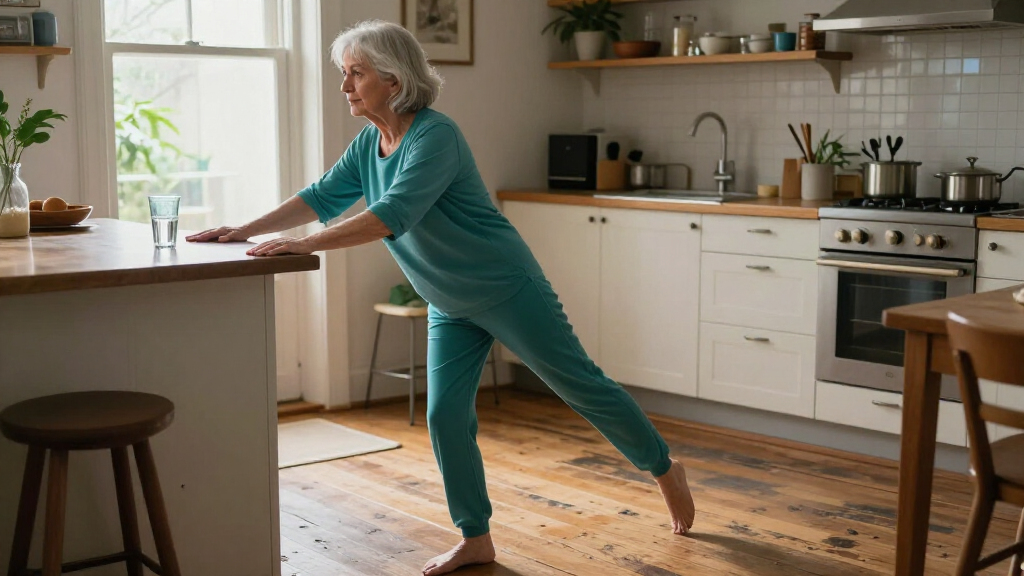
The report’s practical suggestions are modest: choose activities such as walking, gardening, swimming or strength exercises that can be maintained safely; keep a consistent sleep schedule; and make vegetables, fruit, beans, whole grains and nuts part of a minimally processed, plant-forward diet. It also recommends maintaining relationships and having a sense of purpose. The article does not specify a workout prescription, dietary plan or clinical target for readers.
Everyday Habits and Later-Life Health
The report’s relevance is its focus on actions that may fit into ordinary life, rather than promising a way to stop aging. Movement, sleep and social contact are framed as practices people can build gradually, including after age 60. This can make the subject feel more actionable while recognizing that health outcomes also reflect factors outside personal control.
Its advice should be read as general information, not proof that a particular routine will lengthen life or reduce a biological-age measure. The report does not compare interventions or establish how much any single habit changes an individual’s risk. Readers considering changes to exercise, diet or sleep because of a health condition should seek guidance from a qualified health professional.
Products Worth Considering
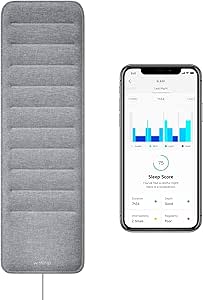
Withings Sleep Under-Mattress Sleep Tracking Pad

OMRON VIVA 360+ Body Composition Monitor and Smart Scale

Philips Sonicare 5950 Rechargeable Electric Toothbrush with 2 Brush Heads, Navy
As an affiliate, we earn on qualifying purchases.
The Report’s Research References
The source is an article from Sixty and Me, not a newly published clinical trial or formal health guideline. It refers to research on epigenetic aging and anxiety about growing older, describing a study of 726 middle-aged women in which greater aging anxiety was associated with faster epigenetic aging. The supplied material does not name the study, give its date or methods, or establish that the finding applies to all adults over 60.
That distinction matters: an association does not prove that anxiety caused the measured changes, nor does it show that worrying occasionally changes a person’s lifespan. The report uses the finding to discuss how psychological and social factors may relate to health, alongside more familiar behaviors such as smoking and physical activity.
“Genes may account for up to half of the rate at which we age.”
— David Sinclair, professor of genetics at Harvard Medical School, as cited by Sixty and Me
Limits of the Evidence Presented
The source material does not give full citations for the studies it references, so their publication dates, methods and limitations cannot be independently assessed from the article alone. It also does not quantify how much the suggested habits affect biological aging or establish that the same effects apply to every person over 60.
Several topics—including gut bacteria, air pollution and anxiety about aging—are raised without detailed evidence in the supplied text. It remains unclear which recommendations have the strongest direct evidence for changing health outcomes, as opposed to being associated with them. The report makes no claim that lifestyle can override genetics, prevent all age-related illness or turn back chronological age.
Practical Steps Without Guarantees
The report offers no formal follow-up study, deadline or program. Its proposed next steps are everyday choices: find a safe form of regular activity, keep sleep routines steady, favor less processed foods and make time for social contact and purposeful activities. The article’s emphasis is on habits that can be sustained, not a fixed checklist or a promise of a particular biological-age result.
Readers seeking to act on the suggestions can discuss suitable activity, nutrition or sleep changes with a qualified professional, especially if they have health conditions or mobility limitations. Whether these habits change a person’s biological-age measurements is not established by the source; the broader outcome to watch is how evidence on healthy aging develops and how recommendations are tailored to individual needs.
Key Questions
What does biological age mean?
The report uses biological age to describe how well the body is functioning, in contrast with chronological age, which is the number of years a person has lived. It does not provide a specific test or measurement for readers.
Can lifestyle stop or reverse aging?
The report does not say that lifestyle can stop aging or reverse chronological age. It says some factors associated with biological aging may be influenced by habits, while genetics and other circumstances remain outside a person’s control.
Which habits does the report recommend after 60?
It suggests regular, safely maintained movement; consistent sleep routines; a diet built around minimally processed foods; social connection; and activities that provide purpose. These are general suggestions, not an individualized prescription.
Does anxiety about aging cause faster aging?
The source describes an association in a study of 726 middle-aged women between greater anxiety about aging and faster epigenetic aging. The supplied material does not establish cause and effect or show that the finding applies to everyone over 60.
Does the article present new research?
No. The Sixty and Me piece discusses existing research and offers practical suggestions; the supplied source does not report a newly conducted study or provide complete citations for all findings.
Source: rss