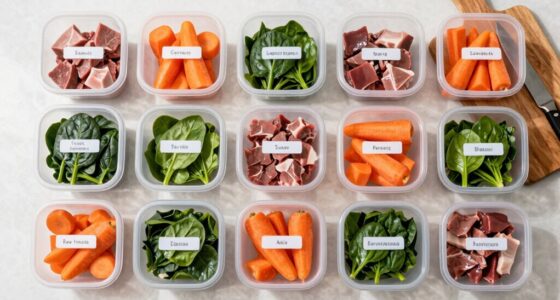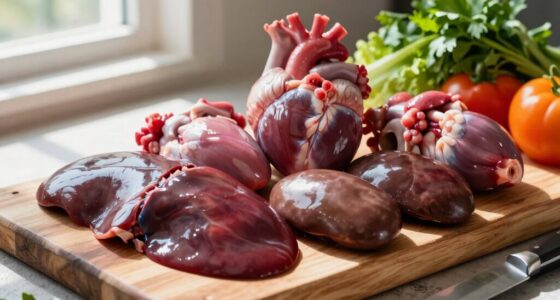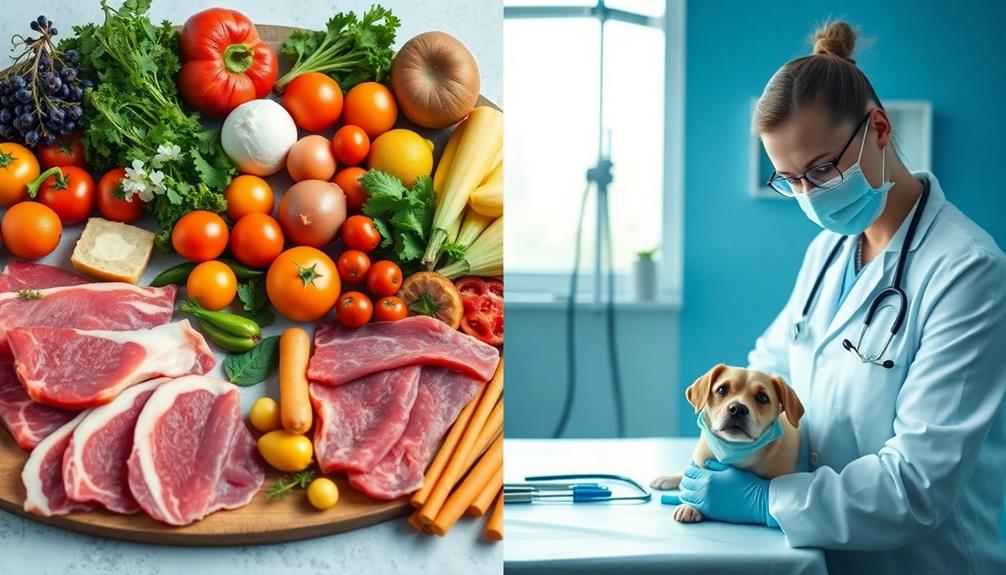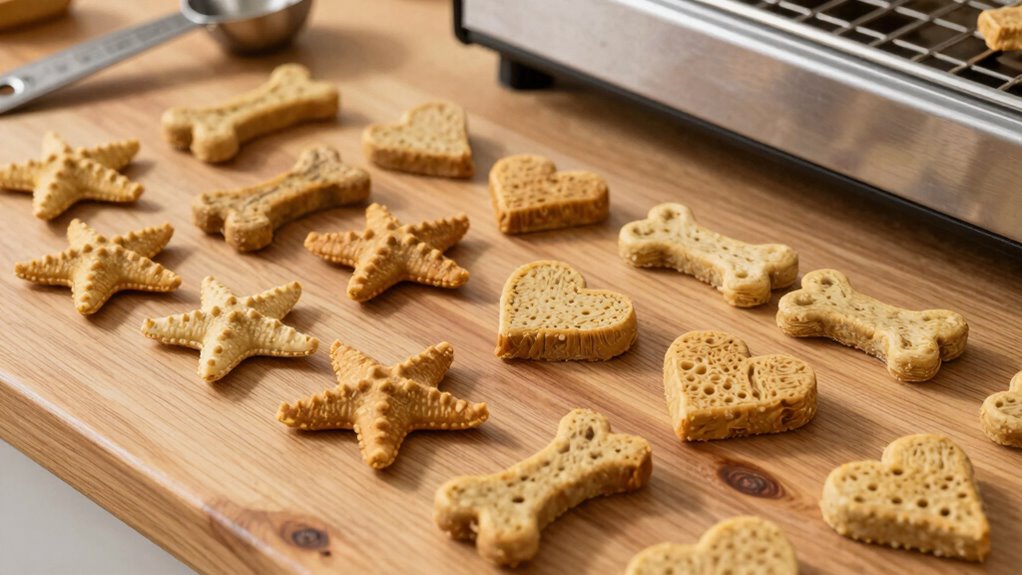

When making dehydrated dog treats at home, choosing safe, dog-friendly ingredients and handling them properly is essential. Wash all fruits, vegetables, and herbs thoroughly, and use clean utensils and sanitized surfaces to prevent contamination. Monitor dehydration temperatures closely, ensuring treats dry evenly without spoilage. Store treats in airtight containers in a cool, dry place, and check regularly for signs of spoilage like mold or discoloration. Keep these safety tips in mind as you learn more for healthy, safe treats.

Get health and wellness essentials delivered free with Prime
- Fast, free delivery on millions of items
- Prime Video, Amazon Music and more included
- Member-only deals all year
Key Takeaways
- Use fresh, pesticide-free ingredients and thoroughly wash all produce before dehydrating.
- Maintain clean workspaces and sanitize equipment to prevent cross-contamination.
- Dehydrate treats at proper temperatures (130°F–155°F) and monitor for even drying.
- Store treats in airtight containers in a cool, dry place, checking regularly for spoilage signs.
- Discard treats with mold, discoloration, or off-odor to ensure safety before offering to dogs.
As an affiliate, we earn on qualifying purchases.
How to Get Started With Dehydrated Dog Treats Safely
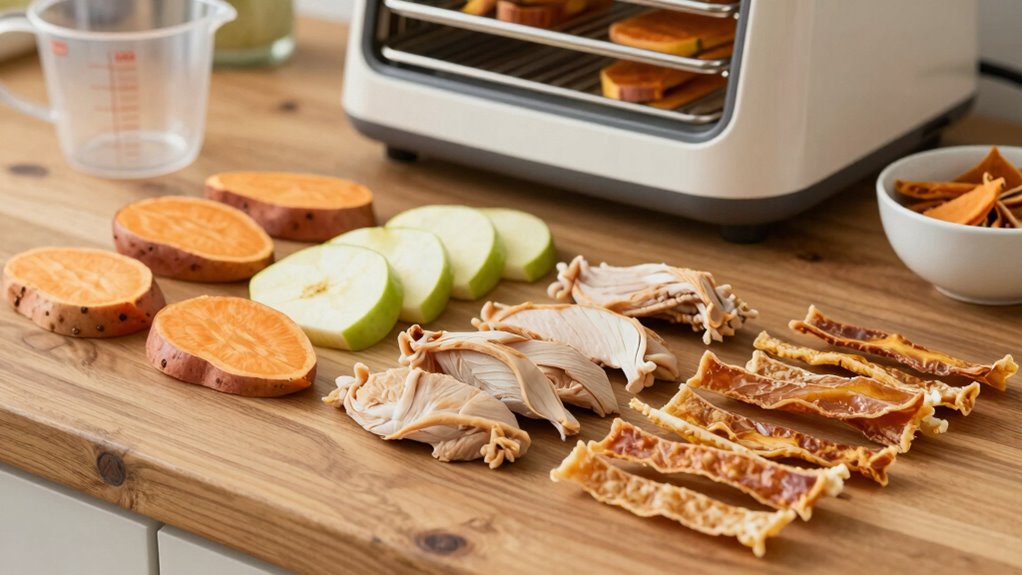
Getting started with dehydrated dog treats is straightforward, but it’s important to do so safely. First, choose dog-friendly herbs like parsley or basil to add flavor without risking health issues. When preparing ingredients, make sure they’re fresh and free from pesticides. Always use treat packaging that’s airtight and food-safe to keep treats fresh and prevent contamination. Start with small batches to test how your dog reacts to new flavors and textures. Keep a clean workspace and wash your hands thoroughly before handling ingredients. Proper storage is key—use sealed containers or treat bags to maintain freshness. Additionally, incorporating proper handling techniques can help prevent contamination and ensure your treats are safe for your pet. Remember, the goal is to create healthy, safe treats that your dog will love, so prioritize cleanliness and quality from the beginning. Incorporating natural ingredients can enhance the nutritional value of your homemade treats. Using food-safe dehydration methods ensures that your treats retain their nutrients and are safe for your dog to enjoy.
Choose Safe, Dog-Friendly Ingredients
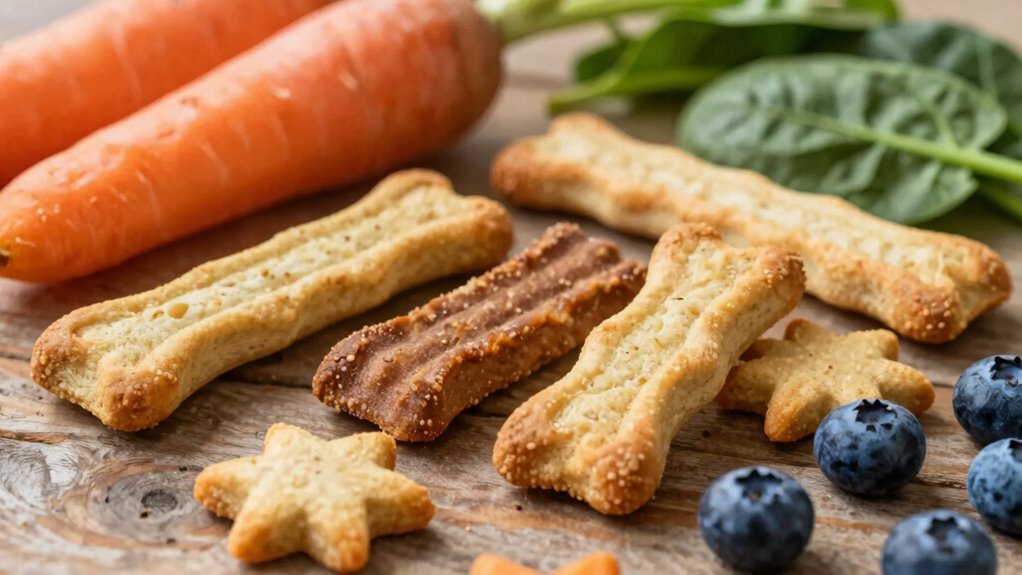
Choosing the right ingredients is essential to making safe, dog-friendly dehydrated treats. Focus on fresh, wholesome options that suit your pup’s health. For fruit options, consider apples, blueberries, and bananas—these are tasty and packed with nutrients. When selecting seasoning choices, avoid anything harmful like onion or garlic; instead, stick to natural herbs like parsley or turmeric. Use this table to guide your choices:
| Safe Fruit Options | Suitable Seasoning Choices |
|---|---|
| Apples | Parsley |
| Blueberries | Turmeric |
| Bananas | None (avoid salt, sugar) |
Always opt for ingredients that promote health and avoid additives that could cause harm. Incorporating proper drying techniques ensures the treats are safe, shelf-stable, and retain their nutritional value. Additionally, understanding food‑safety rules helps prevent contamination and spoilage during the dehydration process. Being aware of product safety standards can further help you maintain the quality of homemade treats. Your careful selection ensures safe, delicious treats your dog will love. Safe ingredients are key to maintaining your pet’s health during the treats preparation process.
Prepare and Handle Ingredients to Prevent Contamination
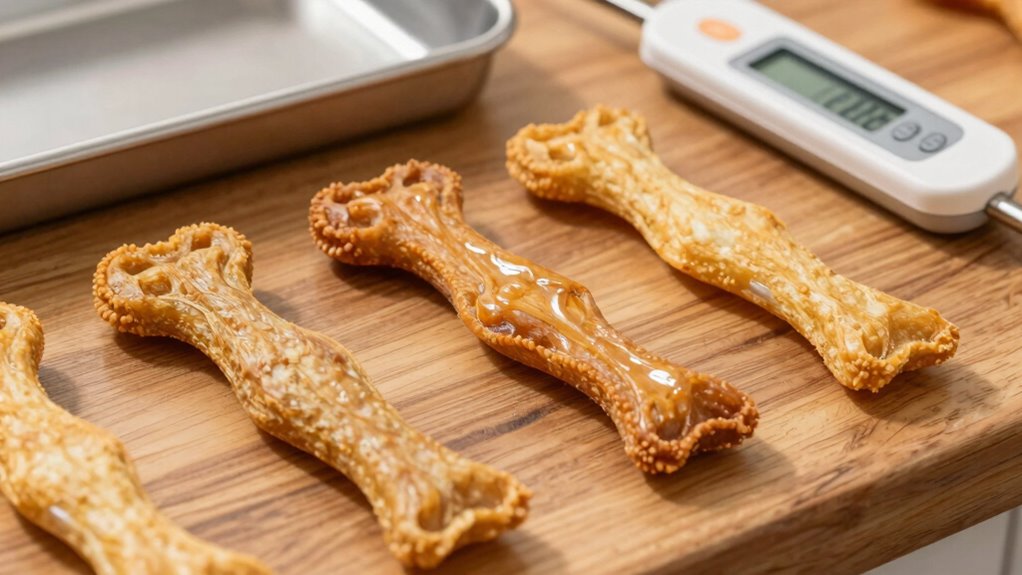
To prevent contamination, it’s crucial to thoroughly wash all fruits, vegetables, and herbs before preparing your dog treats. Proper handling ensures ingredient safety and minimizes the risk of cross contamination. Use clean hands and utensils each time you handle ingredients, avoiding contact with surfaces or other foods that could transfer germs. When chopping or slicing, do so on sanitized cutting boards, and keep raw ingredients separate from cooked or ready-to-eat items. Store ingredients at appropriate temperatures to prevent bacterial growth. Always inspect ingredients for spoilage or damage before use, discarding any questionable items. Additionally, utilizing proper storage techniques helps maintain ingredient freshness and safety throughout the preparation process. Practicing good hygiene and food safety practices can significantly reduce the risk of harmful bacteria contaminating your treats, ensuring they’re safe and healthy for your dog. Maintaining clean working spaces further supports food safety at every stage of your treat preparation. Being aware of food safety standards and following recommended guidelines can help you produce safe, healthy treats for your pet. Proper preparation is key to maintaining food safety at every stage, and understanding foodborne illness prevention can help you avoid common hazards.
Clean and Sanitize Your Equipment and Workspace
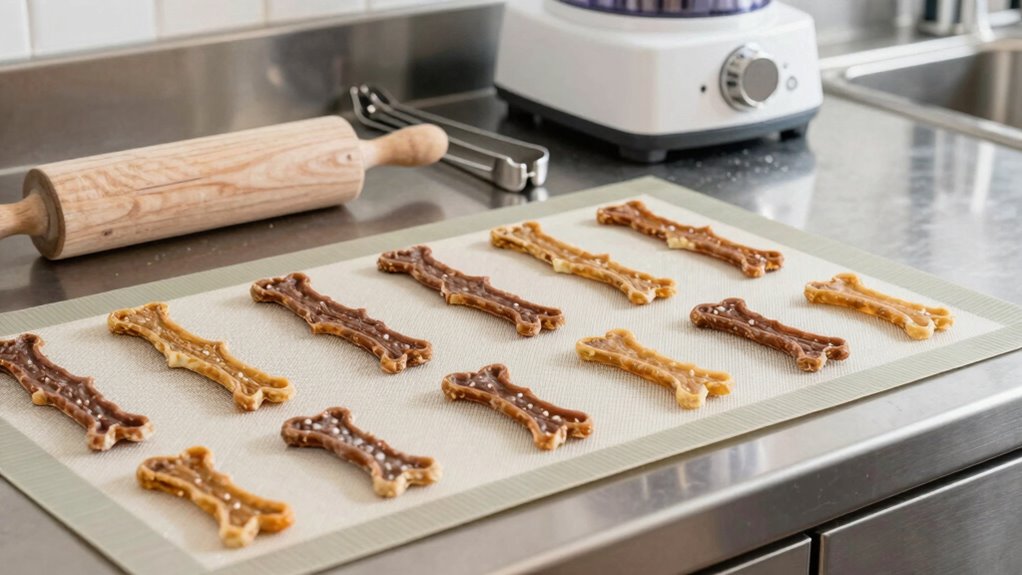
Before you start preparing dehydrated dog treats, ensuring your equipment and workspace are thoroughly cleaned and sanitized is essential. Begin by cleaning utensils like knives, cutting boards, and bowls with hot, soapy water to remove residues and debris. After cleaning, sanitize surfaces by wiping them down with a solution of diluted bleach or a commercial sanitizing product. This step kills bacteria and prevents cross-contamination. Pay close attention to areas where ingredients are handled or processed. Make sure all tools used are free of dirt and bacteria before you start dehydrating. Proper sanitation is a simple but crucial strategy for maintaining a safe, organized home kitchen. Regularly monitor your workspace for cleanliness to help prevent foodborne illnesses and keep your environment safe. Incorporating proper cleaning techniques can further enhance your food safety practices. Additionally, understanding food safety standards can help ensure your homemade treats meet safety guidelines. Maintaining a clean workspace is also important for consistent quality and safety.
Monitor Dehydration Temperatures and Timing

Maintaining proper dehydration temperatures and timing is vital to producing safe, high-quality dog treats. You should regularly monitor the dehydration temperature to verify it stays within the recommended range, typically around 130°F to 155°F (54°C to 68°C), depending on your recipe. Consistent dehydration timing is essential because under-drying can lead to spoilage, while over-drying can make treats too hard for your dog to enjoy. Use a reliable thermometer to check the temperature and set a timer to track how long the treats are dehydrating. Check the treats periodically for doneness, ensuring they are evenly dried and firm but not overly brittle. Properly monitoring dehydration temperature and timing guarantees your treats are safe, nutritious, and long-lasting. Dehydration techniques are crucial for achieving optimal results and maintaining food safety standards. It’s also helpful to understand food‑safety rules specific to pet treats to prevent contamination and ensure quality throughout the process. Additionally, understanding safe dehydration practices helps you prevent bacterial growth and spoilage, ensuring your treats remain healthy and safe for your dog. Regularly inspecting your dehydrator’s temperature controls can further enhance safety and consistency. Being aware of hygienic handling during preparation also minimizes the risk of introducing harmful bacteria.
Store Homemade Dog Treats Properly to Prevent Spoilage
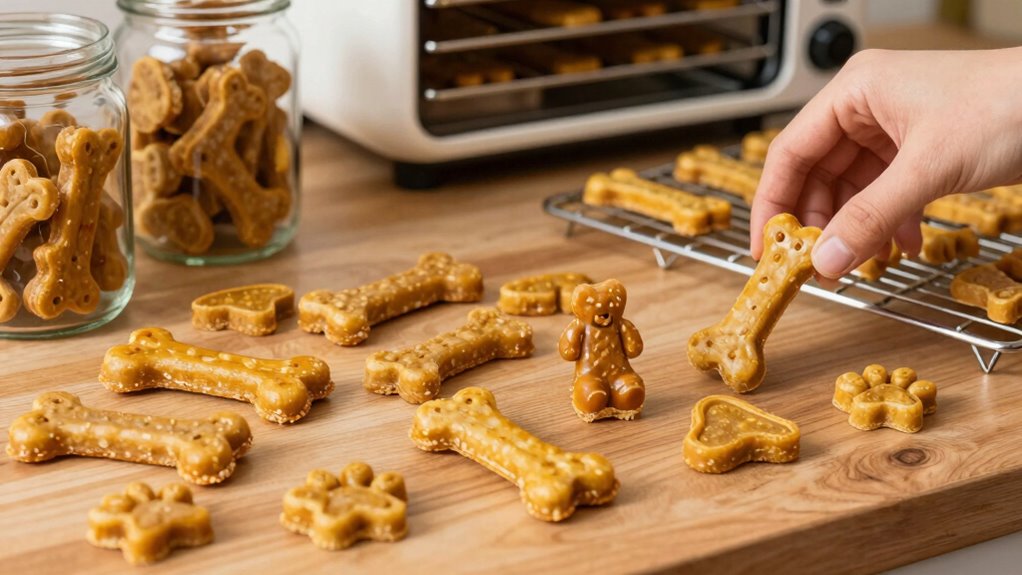
Storing homemade dog treats properly is essential to guarantee spoilage and ensure they stay fresh and safe for your pet. Use airtight storage containers to prevent moisture and air exposure, which can cause mold or bacteria growth. Packaging tips include labeling treats with the date made to track freshness. Store treats in a cool, dry place away from direct sunlight. For longer storage, consider refrigeration or freezing. Additionally, storage safety practices can help maintain treat quality and prevent potential hazards. Understanding water quality and proper storage conditions can further extend the freshness and safety of homemade treats.
Spot Signs of Spoiled or Unsafe Dog Treats

You should always check your dog’s treats before giving them to verify they’re safe. Look for any changes in appearance, such as discoloration or mold, which can indicate spoilage. If you notice unpleasant odors or visible mold, it’s best to discard the treats to keep your dog healthy.
Changes in Appearance
Changes in appearance are key indicators that dehydrated dog treats may no longer be safe for your pet. Look for visual changes like discoloration, mold spots, or a sticky surface, which signal spoilage. Texture shifts are also warning signs; if treats become excessively soft, crumbly, or develop a slimy feel, they might be unsafe. Fresh treats should have a consistent, firm texture and a uniform color. Any irregularities or unusual visual cues suggest it’s time to discard them. Keep a close eye on these signs each time you prepare or offer treats. Proper storage can help maintain their appearance, but if you notice any of these changes, don’t take risks—discard the treats to ensure your dog’s safety.
Unpleasant Odors Detected
Unpleasant odors are a strong warning sign that dehydrated dog treats may no longer be safe for your pet. If you notice a sour, rancid, or off-putting smell, it indicates breakdown in ingredient freshness and compromised quality. Good odor control is essential when preparing treats; any strange or foul scent suggests bacteria growth or spoilage. Always trust your nose—if the treats smell different from when you first made them, discard them immediately. Relying on your sense of smell helps prevent your dog from consuming unsafe treats. Proper storage can also help maintain ingredient freshness and prevent unpleasant odors from developing. Remember, safety comes first: when in doubt, throw out treats with suspicious odors to protect your pet’s health.
Mold or Discoloration
How can you tell if dehydrated dog treats have gone bad? Look closely for mold or unusual discoloration. Mold prevention is key to keeping treats safe, so spot signs early. Discoloration detection helps identify spoilage—if treats develop dark spots, fuzz, or a fuzzy film, discard them immediately.
To guarantee safety, remember:
- Check for visible mold or fuzzy growths.
- Observe any unexpected color changes or dark spots.
- Trust your nose—off odors often accompany spoilage.
Treats with mold or discoloration are unsafe for your dog and should be thrown away. Regularly inspecting your dehydrated treats helps prevent mold and ensures your pet’s safety. When in doubt, discard treats to avoid health risks.
Frequently Asked Questions
Can I Dehydrate Treats for All Dog Breeds?
Yes, you can dehydrate treats for all dog breeds, but consider breed-specific nutrition when choosing ingredients. Use proper dehydration techniques to guarantee treats are safe and retain nutrients. Smaller breeds might need thinner slices or shorter dehydration times, while larger breeds may require thicker pieces and longer processes. Always monitor your dehydration process and consult your vet if you’re unsure about breed-specific dietary needs.
Are There Ingredients to Avoid When Making Dehydrated Treats?
You should avoid using food additives and toxic ingredients when making dehydrated dog treats. Stay away from artificial preservatives, colors, and flavors, as they can harm your dog’s health. Also, skip ingredients like onions, garlic, raisins, and xylitol, which are toxic to dogs. Always check labels and opt for natural, wholesome ingredients to guarantee your homemade treats are safe and healthy for your furry friend.
How Long Do Homemade Dehydrated Dog Treats Last?
Your homemade dehydrated dog treats can last about 1 to 2 weeks if stored properly. Think of them as tiny treasures; they’re best kept in an airtight container in a cool, dry place. Watch for spoilage indicators like mold or a sour smell—these signs warn you that your treats are no longer safe. Proper storage keeps your treats fresh, safe, and ready to delight your furry friend.
Is It Safe to Dehydrate Wet, Cooked, or Raw Ingredients?
Yes, it’s safe to dehydrate wet, cooked, or raw ingredients if you follow proper food safety guidelines. You need to guarantee ingredient safety by thoroughly cleaning and preparing ingredients before dehydration. Dehydrating reduces moisture, which helps prevent bacteria growth, but make sure to use a reliable dehydrator and maintain correct temperatures. This way, you minimize risks and produce safe, healthy treats for your dog.
Can I Dehydrate Treats Using a Regular Oven?
Did you know that many pet owners successfully use oven dehydration for treats? Yes, you can dehydrate treats using a regular oven, but guarantee ingredient safety first. Set your oven to the lowest temperature, around 140°F to 170°F, and keep the treats spaced out. Regular ovens work well, but monitor closely to prevent burning. This method is convenient and ensures your dog’s treats are safe and healthy.
Conclusion
Making dehydrated dog treats at home is a fun and safe way to reward your pup. Just remember, over 60% of pet owners prefer homemade treats for better ingredient control. By following food safety rules—using safe ingredients, keeping everything clean, and monitoring dehydration—you guarantee your dog gets healthy, tasty snacks without risk. With a little care, you can enjoy fresh, safe treats that keep your furry friend happy and healthy for years to come.
Halloween Picks
halloween
As an affiliate, we earn on qualifying purchases.