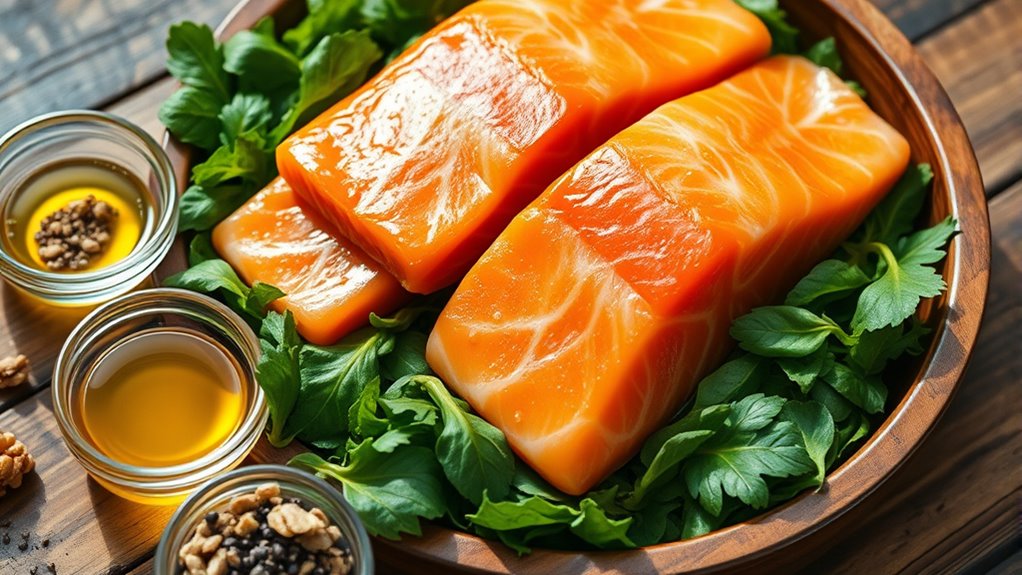

On a raw diet, maintaining a proper balance of omega-3 and omega-6 fats is key to supporting your overall health and reducing inflammation. You should incorporate omega-3 sources like fatty fish, flaxseeds, and walnuts, while moderating omega-6 sources such as sunflower and corn oils found in many nuts and seeds. Using supplements like fish oil can help fill gaps. To verify you get the mix just right, continue exploring reliable sources for detailed tips and guidance.
Key Takeaways
- Maintain a balanced ratio of omega-3 to omega-6 fatty acids to reduce inflammation and promote overall health.
- Incorporate omega-3 rich foods like fatty fish, flaxseeds, and walnuts into raw diets regularly.
- Limit intake of omega-6 sources like sunflower, safflower, and corn oils to prevent excessive inflammation.
- Use supplements such as fish oil or algae oils to ensure adequate omega-3 levels when whole food sources are limited.
- Ensure a variety of raw fat sources to support energy, hormone production, and proper fat metabolism in the diet.
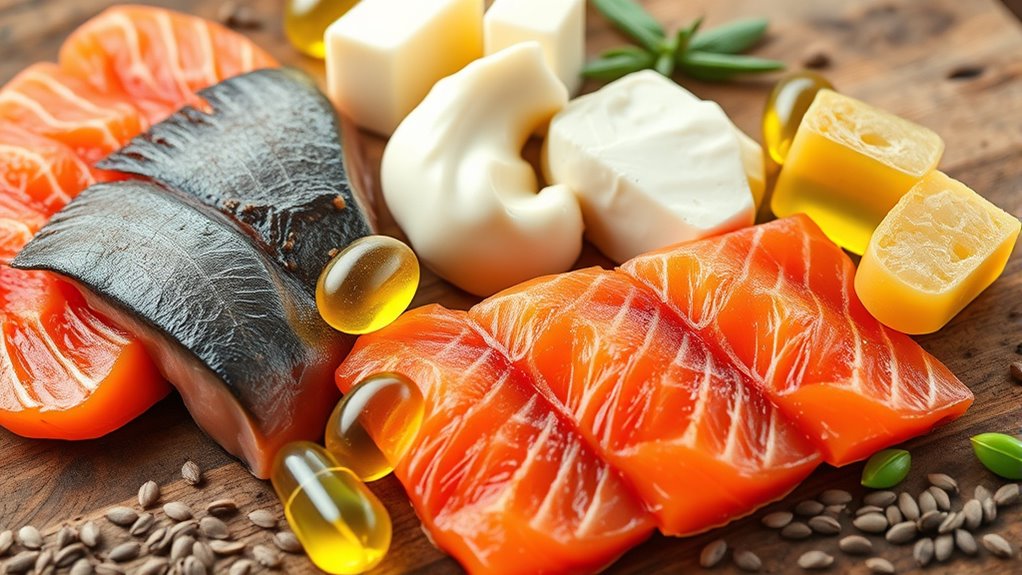
Fats play a essential role in raw diets, providing essential energy and supporting overall health. They are fundamental for proper fat metabolism, which helps your body efficiently break down and utilize fatty acids for fuel, hormone production, and cell function. Without adequate fats, your energy levels can dip, and your body’s ability to process nutrients diminishes. That’s why including the right sources of healthy fats is key when following a raw diet. You want to focus on balancing omega-3 and omega-6 fatty acids because they work together to maintain ideal health, reduce inflammation, and support brain function. An imbalance, especially with too many omega-6s relative to omega-3s, can lead to inflammation and other health issues. So, understanding where to get these fats from and how to maintain that balance is essential for your well-being.
Healthy fats are vital for energy, brain function, and reducing inflammation in raw diets.
Getting enough omega-3s is easier than you might think. You should incorporate raw sources like flaxseeds, chia seeds, walnuts, and fatty fish such as salmon or mackerel into your diet. These foods are rich in EPA and DHA—two potent types of omega-3 fatty acids that support brain health, reduce inflammation, and promote cardiovascular wellness. Meanwhile, omega-6 fatty acids are abundant in many nuts, seeds, and plant oils like sunflower, safflower, and corn oil, which are often part of raw diets. While these fats are necessary, consuming them in moderation helps prevent an imbalance that can trigger inflammatory responses.
If you’re concerned about meeting your fat needs or achieving the right omega-3/6 ratio, dietary supplements can be a helpful addition. Fish oil capsules, algae-based oils, and high-quality omega-3 supplements are practical options that guarantee you’re getting enough essential fatty acids without overloading on omega-6s. Supplements can also be beneficial if you have limited access to fresh, raw sources or if you’re looking to enhance fat metabolism for better energy and recovery. Just remember, while supplements can fill gaps, they shouldn’t replace whole food sources. Incorporate them thoughtfully into your diet, and always opt for high-quality, pure products to avoid contaminants.
Ultimately, maintaining a focus on fat sources and their balance supports your raw diet’s health benefits. Properly managing fat intake, supported by dietary supplements if needed, guarantees your body can efficiently process fats, harness their energy, and keep inflammation in check. This awareness helps you sustain a vibrant, healthy life while sticking to your raw diet principles.

Nature's Bounty Fish Oil Omega 3 Supplements – Supports Heart Health, 1200 Mg Fish Oil, Omega-3, 200 Softgels (Pack of 1)
SUPPORTS HEART HEALTH (1): With 1200 mg fish oil supplements and 360 mg omega-3 fatty acids per serving,…
As an affiliate, we earn on qualifying purchases.
As an affiliate, we earn on qualifying purchases.
Frequently Asked Questions
Can I Supplement Omega-3/6 on a Raw Diet?
Yes, you can supplement omega-3/6 on a raw diet by adding fish oils, which are rich in these essential fats. To maximize absorption, take your supplements with meals or as recommended on the label. Pay attention to supplement timing to guarantee ideal benefits. Incorporate high-quality fish oils into your routine to help maintain a healthy omega-3/6 balance without disrupting your raw diet principles.
How Do I Identify Good Fat Sources for Raw Feeding?
To identify good fat sources for raw feeding, look for fatty acids-rich options like fatty fish (salmon, mackerel), flaxseeds, and chia seeds, which provide omega-3s. Choose whole, natural fats like free-range eggs and high-quality meats to guarantee healthy fat sources. Avoid processed fats and those high in omega-6s, as maintaining a balanced omega-3/6 ratio supports your pet’s overall health.
Are Plant-Based Fats Sufficient for Optimal Health?
Plant-based fats can be a solid foundation, but they’re like a single piece of a puzzle for ideal health. They support nutrient absorption and provide essential fatty acids, yet often lack the full spectrum found in animal fats. To truly nourish your pet, blend plant fats with other sources, ensuring a balanced diet that fuels their body like a well-oiled machine, keeping them vibrant and thriving.
Does Raw Diet Fat Intake Affect Energy Levels?
Your raw diet fat intake can influence your energy levels, as improper fat digestion may cause energy fluctuations. When you consume healthy fats, your body efficiently breaks them down, providing sustained energy. Conversely, if fats are hard to digest, you might experience fatigue or sluggishness. Ensuring a balanced intake of omega-3 and omega-6 fats supports better digestion and stable energy throughout the day.
How Do I Balance Omega-3 and Omega-6 in Raw Meals?
To balance omega-3 and omega-6 in raw meals, focus on achieving the right fat ratios for an essential balance. Incorporate omega-3-rich foods like flaxseeds, chia seeds, and fatty fish, while limiting omega-6 sources such as certain vegetable oils and nuts. Keep the ratio around 1:1 or 1:4 to support overall health. Adjust your ingredients regularly to maintain this balance naturally in your raw diet.

Barlean's Organic Flaxseed Oil Liquid from Fresh Cold Pressed Flax Seeds, 7,640mg ALA Omega 3 Fatty Acid Supplement for Skin and Hair Care, Vegan & Gluten Free, 8 oz
PURE, ORGANIC AND UNREFINED: Barlean's organic flax oil is cold pressed without the use of heat or solvents….
As an affiliate, we earn on qualifying purchases.
As an affiliate, we earn on qualifying purchases.
Conclusion
Balancing omega-3 and omega-6 fats on a raw diet isn’t just about food choices; it’s about giving your pet the best shot at health. Keep your eyes open for quality sources like fish and flaxseed, and steer clear of excesses. Remember, you’re playing the long game—don’t put all your eggs in one basket. By staying informed and attentive, you’re setting the stage for your pet’s well-being to thrive now and down the line.
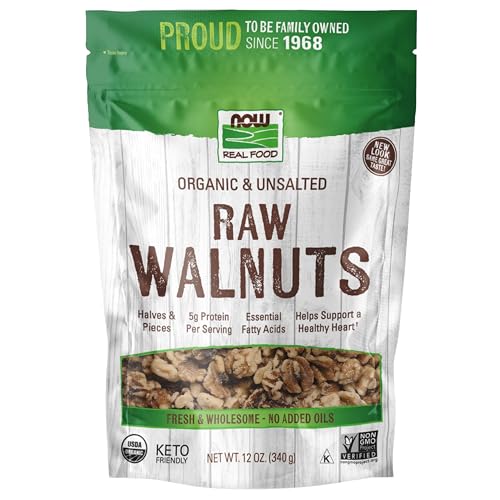
NOW Foods, Certified Organic Walnuts, Raw and Unsalted, Halves and Pieces, Good Source of Protein and Healthy Fatty Acids, Certified Non-GMO, 12-Ounce (Packaging May Vary)
UNSALTED, CERTIFIED ORGANIC RAW WALNUTS: A natural source of protein and healthy fatty acids! Adding NOW Real Food…
As an affiliate, we earn on qualifying purchases.
As an affiliate, we earn on qualifying purchases.

Nature Made Triple Omega 3 6 9 Supplements, Flaxseed, Safflower & Olive Oils, Fish Free Omega 3 Fatty Acid Supplement, 150 Softgels, 75 Day Supply
Heart health support supplement: contains one 150 count bottle of Nature Made Triple Omega 3-6-9 Softgels for a…
As an affiliate, we earn on qualifying purchases.
As an affiliate, we earn on qualifying purchases.