Food combining is a traditional approach that suggests specific food pairings improve digestion, but scientific evidence supporting these claims is limited. Your body’s digestive system can handle mixed meals using complex processes with enzymes and acids working together. While some people notice benefits like less bloating, overall diet balance and gut health matter more. To understand how much these ideas truly influence digestion, exploring further will provide more clarity on this topic.
Key Takeaways
- Food combining originates from traditional dietary beliefs, but scientific evidence supporting its effectiveness is limited.
- The body’s digestive system can handle mixed meals without strict separation of food groups.
- Enzymes and acids work together to digest diverse nutrients simultaneously, regardless of food pairing rules.
- Most research indicates overall diet quality and gut health are more important than specific food combinations.
- Personal experiences and digestion may improve with mindful eating, but rigid food combining lacks strong scientific backing.
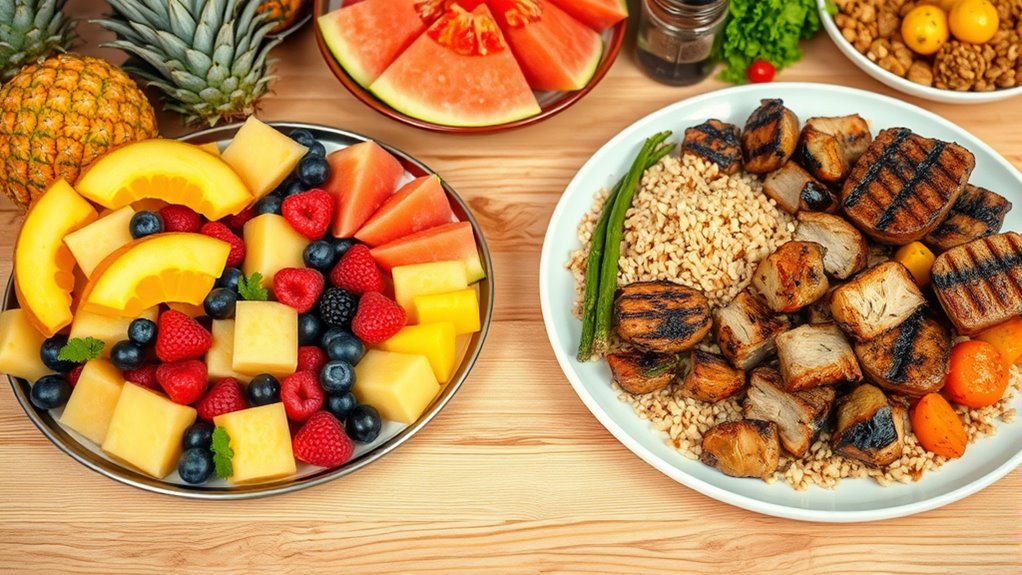
Have you ever wondered if the way you combine your foods can impact your digestion and overall health? It’s a question many people ask when exploring dietary habits. The idea of food combining suggests that eating certain foods together can influence how well your body absorbs nutrients and how efficiently your digestive system works. Proponents claim that by pairing foods correctly, you can enhance nutrient absorption and improve your digestion, leading to better health and energy levels. On the other hand, traditional dietary advice often dismisses these claims, emphasizing balanced meals without strict food pairings. To understand whether food combining truly makes a difference, you need to look at how your digestive system processes different types of nutrients.
Food combining claims to improve digestion and nutrient absorption, but scientific evidence remains limited and overall diet quality is more important.
The concept hinges on the idea that different foods require distinct digestive environments. For example, proteins and starches are believed to require different pH levels for ideal digestion. When you eat them together, some suggest that your body struggles to digest both efficiently, potentially leading to bloating, indigestion, or nutrient malabsorption. Advocates argue that by separating these foods—such as avoiding combining proteins with starches—you can boost digestive efficiency. This, in turn, might improve nutrient absorption, ensuring your body gets more from the foods you eat. If your digestion is optimum, nutrients like vitamins, minerals, and amino acids are more likely to be effectively absorbed, supporting overall health.
However, scientific evidence supporting these claims remains limited. Your body is remarkably capable of handling mixed meals through complex but efficient digestive processes. Enzymes and acids work together to break down different food components simultaneously, regardless of how they’re combined. Many studies show that your digestive system adapts to various meal compositions without considerably affecting nutrient absorption or efficiency. In reality, the body’s ability to digest and absorb nutrients depends more on overall health, gut health, and the balance of your diet rather than strict food pairing rules. Additionally, research from the Personal Development industry suggests that a positive mindset can influence digestive health and overall well-being.
While food combining might not be necessary for everyone, some individuals report feeling better when they pay attention to how they pair their foods. If you notice less bloating or improved digestion by following certain guidelines, it could be worth experimenting within a balanced diet. But for most people, focusing on variety, moderation, and overall nutrient-dense foods is more important. In the end, understanding your body’s signals and maintaining a healthy, diverse diet will likely have a more meaningful impact than rigid food combining rules. Your digestive efficiency and nutrient absorption are complex processes, and keeping them supported with good overall nutrition is your best strategy.
Frequently Asked Questions
Does Food Combining Improve Digestion for Everyone?
Food combining doesn’t improve digestion for everyone. Your digestion depends on factors like meal timing and food pairing, which can vary from person to person. Some find that eating certain foods together causes discomfort, while others don’t notice any difference. Experimenting with meal timing and food pairing helps you identify what works best for your digestion, rather than strictly following traditional food combining rules.
Are There Any Risks Associated With Strict Food Combining?
Strict food combining can pose risks like nutritional deficiencies if it limits your intake of essential nutrients from various food groups. You might also experience social isolation, as adhering to rigid rules can make eating out or sharing meals difficult. These restrictions can impact your overall health and emotional well-being. It’s important to balance your diet without overly restrictive rules to avoid these potential risks.
How Long Does It Take to See Benefits From Food Combining?
You might start noticing benefits from food combining within a few days to a couple of weeks, depending on your digestive timeline. Some people feel improved digestion and less bloating quickly, while others see gradual changes over several weeks. Consistency is key. Keep track of your body’s responses, and remember that individual results vary. Usually, patience and sticking to the plan help you experience the benefit onset more clearly.
Can Food Combining Help With Specific Health Conditions?
Imagine your digestive system as a busy highway; food combining aims to streamline traffic. While some believe it offers nutritional benefits and helps manage conditions like bloating or acid reflux, scientific evidence remains limited. If you customize your diet thoughtfully, focusing on whole foods and balanced meals, you might see improvements. However, always consult a healthcare professional to tailor strategies for specific health conditions effectively.
Is Food Combining Compatible With a Balanced Diet?
Yes, food combining can be compatible with a balanced diet if you pay attention to meal timing and cultural practices. You might find that separating certain foods improves digestion, but it’s important not to overcomplicate your eating habits. Focus on eating a variety of nutrients from different food groups, and adapt meal timing to suit your lifestyle. Balancing tradition with evidence-based choices helps you maintain overall health.
Conclusion
Ultimately, trust your body and listen to its signals. While food combining has long been a tradition, scientific evidence remains mixed. Don’t forget, “The proof of the pudding is in the eating,” so try different approaches and see what works best for you. Remember, balance and moderation often outweigh rigid rules. Keep an open mind, stay curious, and enjoy your meals without overthinking—your health journey is uniquely yours.