
TL;DR

Get health and wellness essentials delivered free with Prime
- Fast, free delivery on millions of items
- Prime Video, Amazon Music and more included
- Member-only deals all year
A doctoral thesis from Umeå University reports that hip fracture risk, mortality and recovery among people aged 85 and older are associated with health and personal circumstances, not age alone. The research found dementia was associated with higher mortality after fracture, while recovery interviews described progress, setbacks and continued difficulties for some participants.
A doctoral thesis at Umeå University finds that hip fracture risk, survival and recovery among adults aged 85 and older are linked to physical health, medical conditions and psychological well-being, not chronological age alone. The findings support care tailored to each person’s circumstances, as the injury can bring lasting functional difficulties and a heightened risk of death.
Researcher Erika Olofsson, a doctoral student in the university’s Department of Nursing, studied factors associated with hip fractures and mortality in people aged 85 and older, and interviewed older adults about recovery. The work also examined mortality over the first three years after a fracture. The findings are presented in her thesis, “Hip Fracture—Associated Factors, Mortality, and Experience of Recovery.”
Among people of very advanced age, the risk of sustaining a hip fracture was roughly similar for women and men, but the associated risk factors differed. Among women, greater independence in everyday activities was associated with higher fracture risk. Olofsson suggested that more activity may mean greater exposure to situations in which falls can happen; this is an interpretation of the finding, not proof that independence itself causes fractures.
Mortality after fracture was high among the oldest participants. The thesis associated higher mortality with underlying disease and vulnerability, including depression, previous stroke and subtrochanteric fracture, a break in the upper part of the femur. In its analysis of dementia and depression, dementia—alone or alongside depressive symptoms—was associated with increased mortality at all follow-up points. Depression alone did not have a statistically significant association with mortality.
Health Shapes Fracture Outcomes
The findings matter because a hip fracture can affect more than the bone: it can alter a person’s ability to manage daily life, maintain independence and recover. The research describes substantial differences among older adults, cautioning against using age alone to judge vulnerability or prospects after an injury.
In Sweden, hip fractures affect about 17,000 people each year, primarily older adults, according to the report. The thesis suggests clinicians and care teams should account for existing conditions, physical functioning and psychological well-being when planning support. It does not establish a single treatment approach or show that any one factor determines an individual’s outcome.
hip protector underwear for seniors fall prevention
As an affiliate, we earn on qualifying purchases.
As an affiliate, we earn on qualifying purchases.
A Study of Adults Aged 85 Plus
Hip fractures can lead to long-term functional impairment, reduced independence and increased risk of death. But older adults differ widely in health, living circumstances and ability to recover, making age an incomplete measure of what support someone may need.
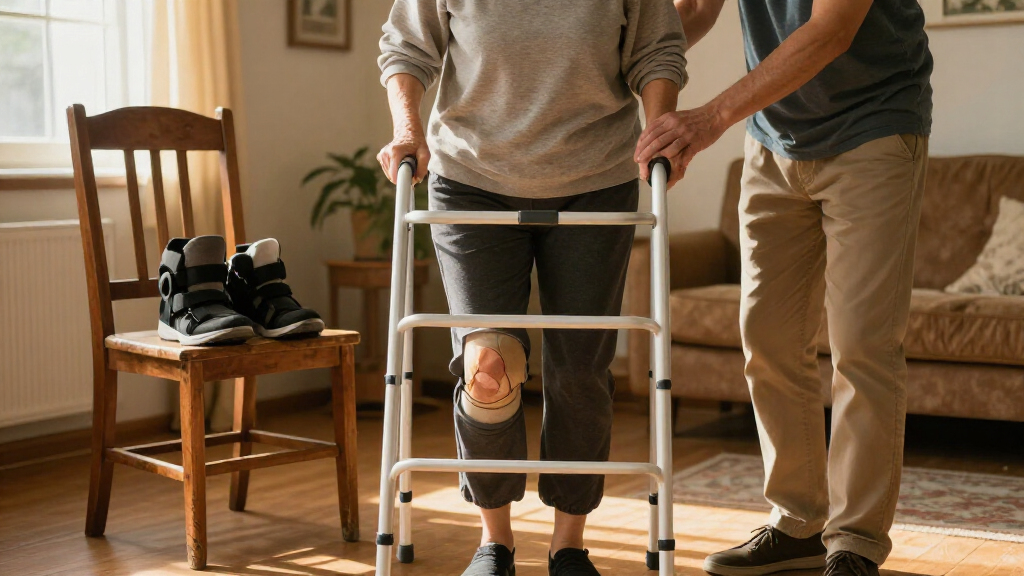
Olofsson’s thesis combined analyses of fracture risk and mortality with repeated interviews during the first year after injury. In those interviews, recovery appeared to be a changing process: improvement could be followed by setbacks. Participants described everyday tasks, fear of falling again, family support and efforts to regain independence as central concerns. Some continued to face difficulties a year after the fracture.
“An important and striking finding was the high mortality rate among the oldest old adults following a hip fracture. I also found that dementia in combination with depressive symptoms was associated with increased mortality.”
— Erika Olofsson, doctoral student at Umeå University’s Department of Nursing
Limits of the Findings
The report does not provide the number of participants, detailed methods, effect sizes or confidence intervals, limiting how precisely readers can judge the strength and scale of the associations. The findings identify links, not proof that the conditions or characteristics caused fractures or deaths.
Depression alone was not statistically significantly associated with mortality in the analysis described, while dementia was associated with increased mortality. The report does not establish why these relationships occur, whether they apply to all older adults or how results might differ outside the studied population. It also does not specify which care interventions improve survival or recovery.
Applying Findings to Care
The thesis points to individualized assessment as a practical implication: care planning can take account of medical conditions, everyday functioning, psychological well-being and the person’s own recovery goals. The report does not announce a new clinical guideline or a specific follow-up program.
Further research would be needed to test which forms of support improve outcomes and to clarify how the reported associations vary across patient groups. For now, the study’s interviews underline that recovery may include both gains and setbacks, and that some people continue to need help with daily activities a year after a fracture.
Key Questions
What did the Umeå University thesis examine?
It examined factors associated with hip fracture and mortality among people aged 85 and older, as well as older adults’ experiences of recovery after a fracture.
Was fracture risk the same for women and men?
The thesis reported roughly similar fracture risk for women and men at very advanced ages, but the associated risk factors differed. Among women, greater independence in everyday activities was associated with increased risk.
Which conditions were associated with mortality after a hip fracture?
The report links higher mortality to underlying disease and vulnerability, including previous stroke and subtrochanteric fracture. Dementia, alone or alongside depressive symptoms, was associated with increased mortality at all reported follow-up points. Depression alone did not have a statistically significant association.
What did older adults say recovery was like?
In repeated interviews during the first year, participants described recovery as a process with progress and setbacks. Everyday activities, fear of another fall, family support and independence were central concerns; some still had difficulties after a year.
Does the thesis show that a particular care plan improves recovery?
No specific intervention or care plan was tested in the report. Olofsson argues that support should reflect each person’s circumstances, but the findings do not establish which approach improves outcomes.
Source: rss
Cold & flu season Picks
humidifiers
As an affiliate, we earn on qualifying purchases.