

TL;DR

Get health and wellness essentials delivered free with Prime
- Fast, free delivery on millions of items
- Prime Video, Amazon Music and more included
- Member-only deals all year
A Sixty and Me article says the familiar idea that higher HDL, or “good” cholesterol, always means lower heart risk may not apply to everyone, including some postmenopausal women. The article advises interpreting cholesterol results alongside other risk factors with a health professional; it does not report new research findings of its own.
Sixty and Me has published an article questioning the common assumption that higher levels of HDL cholesterol always offer greater protection from heart disease, with particular attention to some postmenopausal women. The report summarizes evidence that HDL levels may not reflect cardiovascular risk on their own and says cholesterol results should be considered alongside a person’s broader health profile.
The article describes cholesterol as a substance the body needs to build cells and produce hormones and vitamin D. It says the liver and other organs make most of the cholesterol in the body, while food supplies a smaller share. The health concern arises when excess cholesterol contributes to plaque in artery walls, which can narrow or block blood flow.
HDL is commonly called “good” cholesterol because it helps carry fats away from the heart, while LDL is associated with plaque buildup. But the report cautions that a higher HDL reading does not necessarily mean lower cardiovascular risk for everyone. It says bodily changes associated with and following menopause may affect HDL’s protective role, and that some genetic mutations can produce high HDL without the expected protection.
The source also refers to research associating very high HDL—described as above 90 mg/dL—with a greater likelihood of death from non-cardiovascular causes. It mentions a suggested HDL range of 60 to 80 mg/dL, but does not identify the underlying studies, their populations or methods. That range should therefore be understood as a claim presented in the article, not a universal clinical target established by the source material.
Why HDL Alone Can Mislead
The report matters because a single cholesterol number can be easy to interpret too simply. If someone assumes that high HDL cancels out other risks, they could overlook factors that also shape the likelihood of heart disease. The article says clinicians should consider a person’s overall cardiovascular risk, including weight, activity, nutrition, genetics, diabetes and family history.
Its message is not that HDL is irrelevant, or that readers should change treatment based on one result. Rather, HDL is one part of a larger assessment. The report suggests asking a healthcare professional whether further evaluation is appropriate, but does not establish that any specific additional test is necessary for all adults in their 60s.
Products Worth Considering
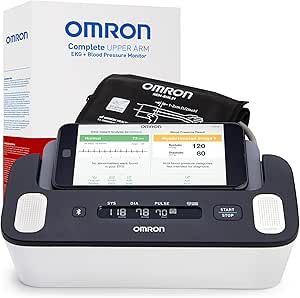
OMRON Complete 2-in-1 Upper Arm Blood Pressure Monitor with EKG

OMRON VIVA 360+ Body Composition Monitor and Smart Scale

Blueair Blue Pure 211i Max Air Purifier
As an affiliate, we earn on qualifying purchases.
How the HDL Message Has Changed
The source describes a long-standing public message: HDL is “good” cholesterol, so higher levels were often viewed as better. It presents newer evidence as challenging that simple interpretation, especially for some older women after menopause. The article’s headline frames this as a health question for people in their 60s, rather than reporting a new clinical guideline or a newly released study.
Cholesterol itself is necessary for normal bodily functions, according to the report. Its concern is with cholesterol circulating in the blood and the potential for plaque to restrict circulation. The article links that process to serious outcomes such as heart attack and stroke, while emphasizing that risk depends on more than the HDL figure.
““HDL is good cholesterol and the higher, the better!””
— Sixty and Me article
Limits of the Evidence Presented
The source article does not provide links to the research it summarizes, study dates, sample sizes or details about how the reported associations were measured. It is therefore not possible from the material provided to assess the strength of the evidence or determine how broadly it applies to people in their 60s. The article also does not establish that menopause itself causes a change in HDL’s effects, or that a specific HDL range is appropriate for an individual.
It remains unclear which readers might benefit from additional heart-related tests, and which tests would be appropriate. The report is not professional medical advice; individual risk and care decisions require assessment by a qualified healthcare professional.
Discuss Results With Your Clinician
The article encourages readers to review cholesterol results with their healthcare providers and consider them alongside other health information. Readers can ask how HDL and LDL figures fit with their personal risk factors, and whether any further assessment is warranted. No new guideline or follow-up study is announced in the source material, so the next step described is an individual discussion with a clinician rather than a change in standard care.
Key Questions
Does a high HDL level guarantee protection from heart disease?
No. The Sixty and Me report says higher HDL does not necessarily mean lower cardiovascular risk for everyone, including some postmenopausal women. HDL results need to be interpreted with other health factors.
What HDL range does the article mention?
The article refers to a suggested range of 60 to 80 mg/dL and discusses very high levels above 90 mg/dL. It does not identify the underlying studies or establish these figures as targets for every person.
Why does the report focus on postmenopausal women?
It says changes during and after menopause may affect HDL’s ability to protect the heart. The source does not provide study details that would show how consistently this applies across individuals.
Should someone change treatment based on an HDL result?
The article does not recommend changing treatment. It says to review results and overall cardiovascular risk with a healthcare professional, who can advise on decisions for the individual.
Source: rss